
Every Pop Group Begins With A Shape.
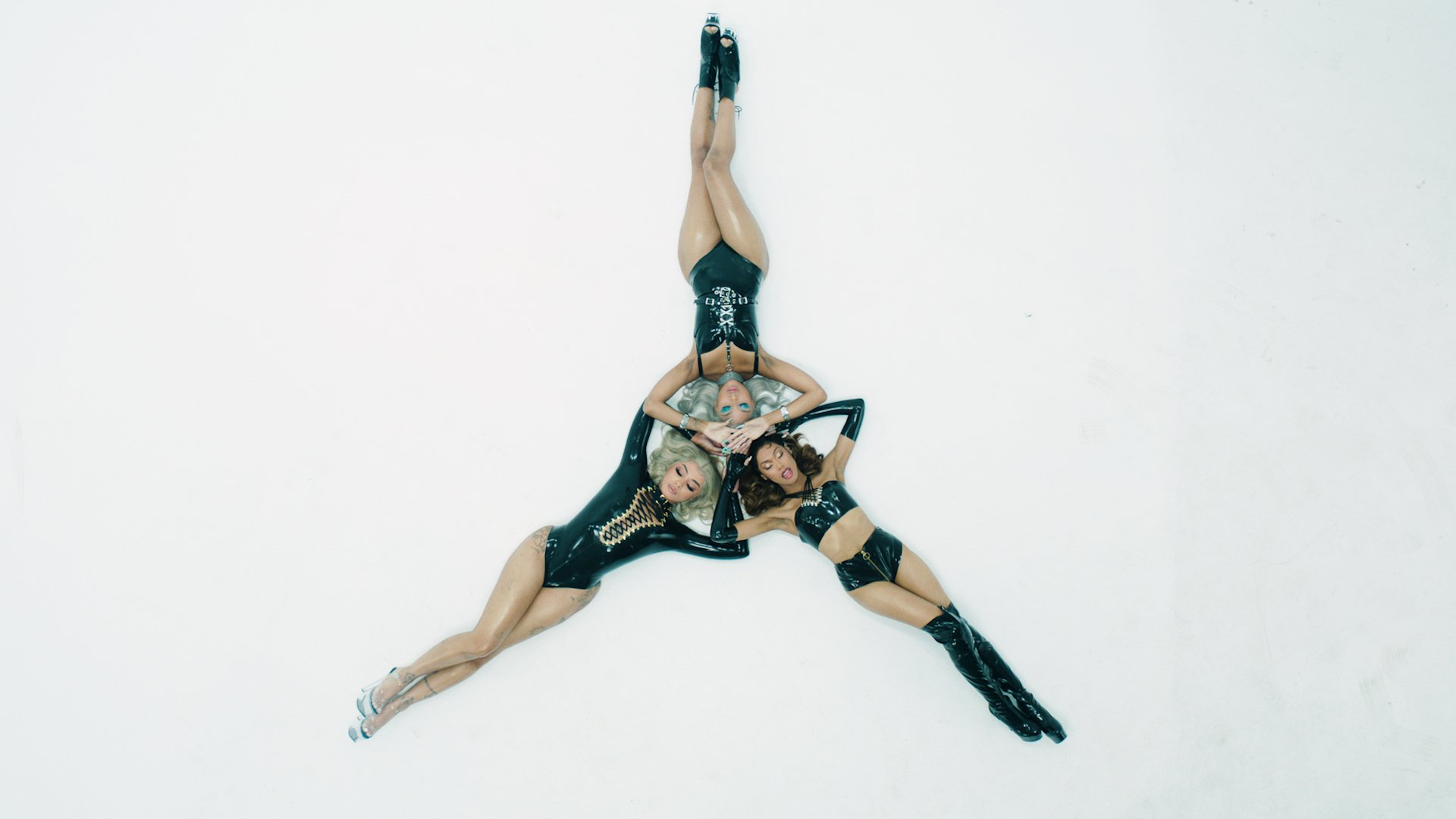
BLK — LET ME LOVE YOU (2021) VISUAL CULTURE 6 MIN READ
Before audiences memorize lyrics, they memorize outlines.
Long before someone remembers a chorus, they remember a silhouette standing under a light. Three figures arranged into a symbol. A colour palette repeated often enough to become inseparable from the music itself.
Recognition doesn't begin with sound.
It begins with form.
The most enduring pop groups understood this instinctively. They weren't simply photographed together. They were designed to be recognized together.
The group became the logo.
We recognize shapes before faces.
The human brain processes broad visual information before fine detail.
From across a room you don't recognize a person's expression. You recognize posture, proportion, movement and silhouette.
Brands have understood this for decades.
The Nike Swoosh.
The McDonald's arches.
The outline of an Eames chair.
None require explanation.
Music has always worked the same way.
Before Destiny's Child became voices, they became a formation.
Before TLC became personalities, they became an image.
Before Human Nature became one of Madonna's defining visual eras, it became three bodies arranged into a single composition.
The silhouette arrives first.
The meaning follows.

The group is the logo.
Most successful groups aren't remembered because everyone looked the same.
They're remembered because everyone looked different in a controlled system.
Each member occupies a role.
One introduces softness.
Another creates tension.
Another anchors the composition.
Styling separates identities.
Composition reunites them.
When every member becomes visually interchangeable, the image loses memory.
When every member becomes completely disconnected, the group disappears.
The strongest groups live between those two extremes.
Individual.
Individual.
Individual.
Group.
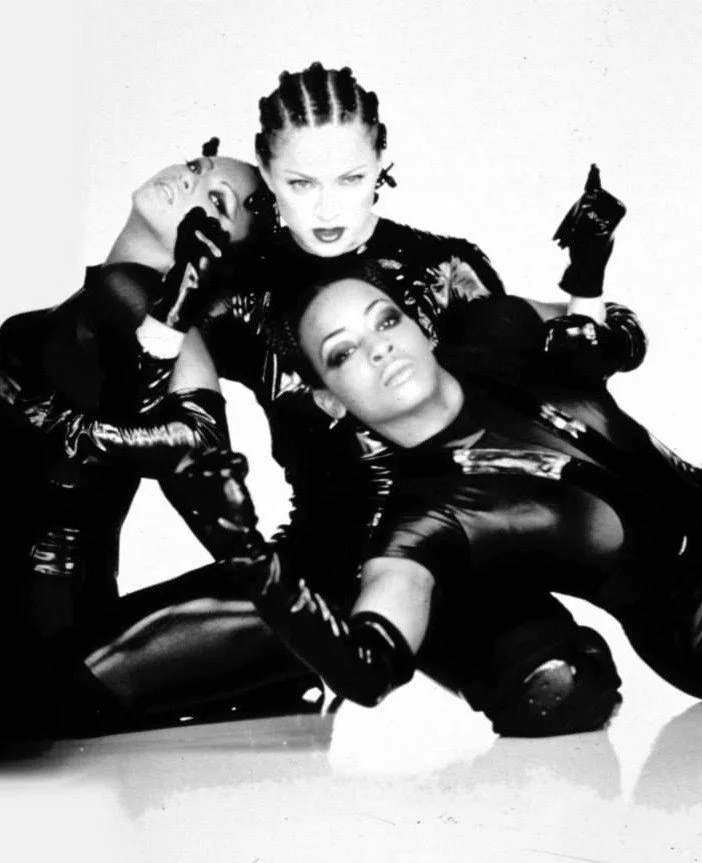
Jean-Baptiste Mondino, “Human Nature,” Madonna, 1995. Reference studied for composition, distance and control.
Human Nature was never about latex.
Jean-Baptiste Mondino's imagery for Human Nature has been copied for decades.
Usually people copy the surface.
The latex.
The gloves.
The attitude.
What made those photographs timeless wasn't the wardrobe.
It was discipline.
Every frame reduced the image into geometry.
Distance.
Negative space.
Compression.
Balance.
The clothing simply amplified the structure that already existed.
The photograph still works thirty years later because its architecture still works.
Space is part of the cast.
Most people think photographs begin with people.
Great photographs begin with space.
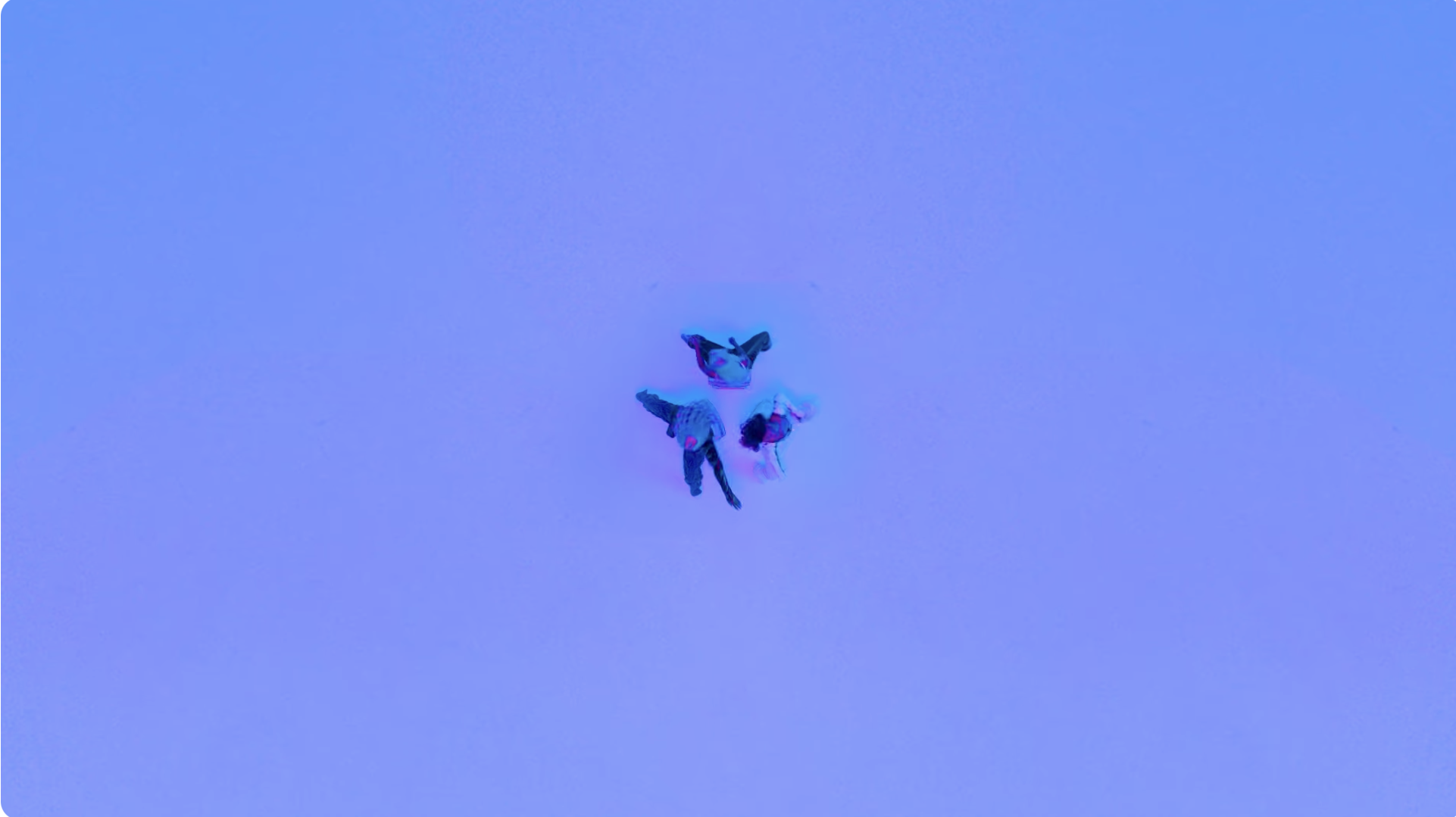
James Turrell doesn't create emotion through objects.
He creates it through light.
The room tells you how to feel before anything enters it.
The same principle applies to music imagery.
Environment isn't decoration.
Environment is narrative.
The empty room gives the performers somewhere to exist.
Without space, there is no tension.
Without tension, there is no image.
Before social media, television repeated images.
MTV didn't just distribute songs.
It repeated identities.
A teenager didn't need to own an album to remember a frame.
They simply had to see it enough times.
A hairstyle.
A colour.
A formation.
A camera move.
The image became part of the song.
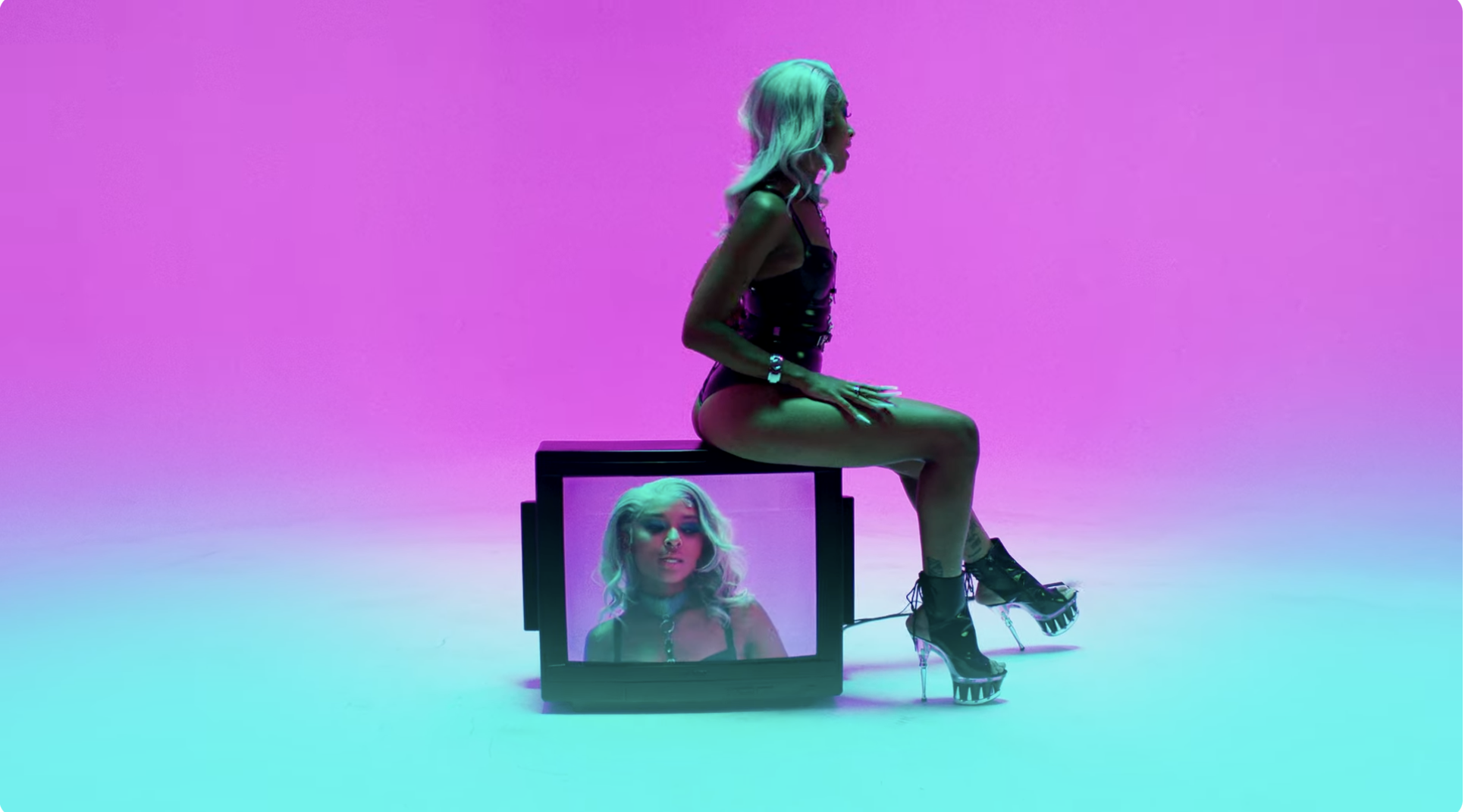
BLK visual study. The performer, the screen and the repeated image.
Today's platforms work differently.
Discovery happens through feeds instead of channels.
The screens are smaller.
The attention spans are shorter.
Yet the principle remains unchanged.
People still recognize images before they recognize music.
The technology changed.
Human perception didn't.
Why BLK began with shape.
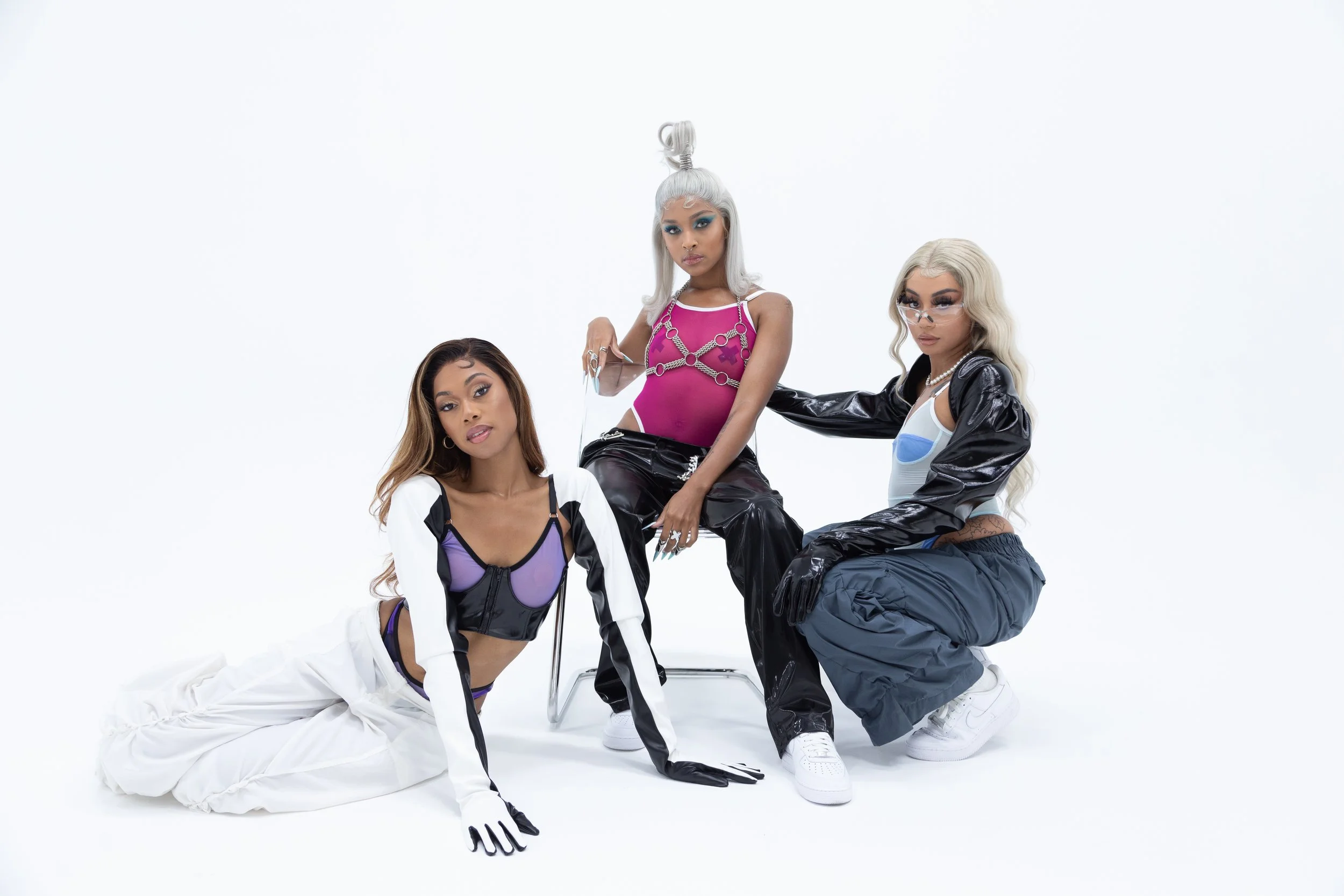
When we started building BLK, the first question wasn't what should they wear.
It wasn't what colour should define them.
It wasn't even what the logo should look like.
The first question was simpler.
What would they look like from across the room?
The triangle wasn't an aesthetic decision.
It was a recognition system.
The individual styling wasn't designed to create separation.
It was designed to make each member immediately identifiable while preserving the silhouette of the group.
Every colour.
Every pose.
Every distance between bodies.
Every frame.
Each decision served the same objective.
Recognition before explanation.
Image arrives before music.
Artists often believe the song introduces the world.
Increasingly, the image does.
The first encounter may be a thumbnail, a looping clip, a still frame, or a social post. The listener hasn't pressed play yet, but an impression has already formed.
Image is no longer promotion.
It is part of the product.
Not because visuals matter more than music.
Because identity determines whether people stop long enough to hear it.
Every generation develops its own visual language.
The artists who endure don't simply participate in it.
They understand its grammar.
Then they build one of their own.